

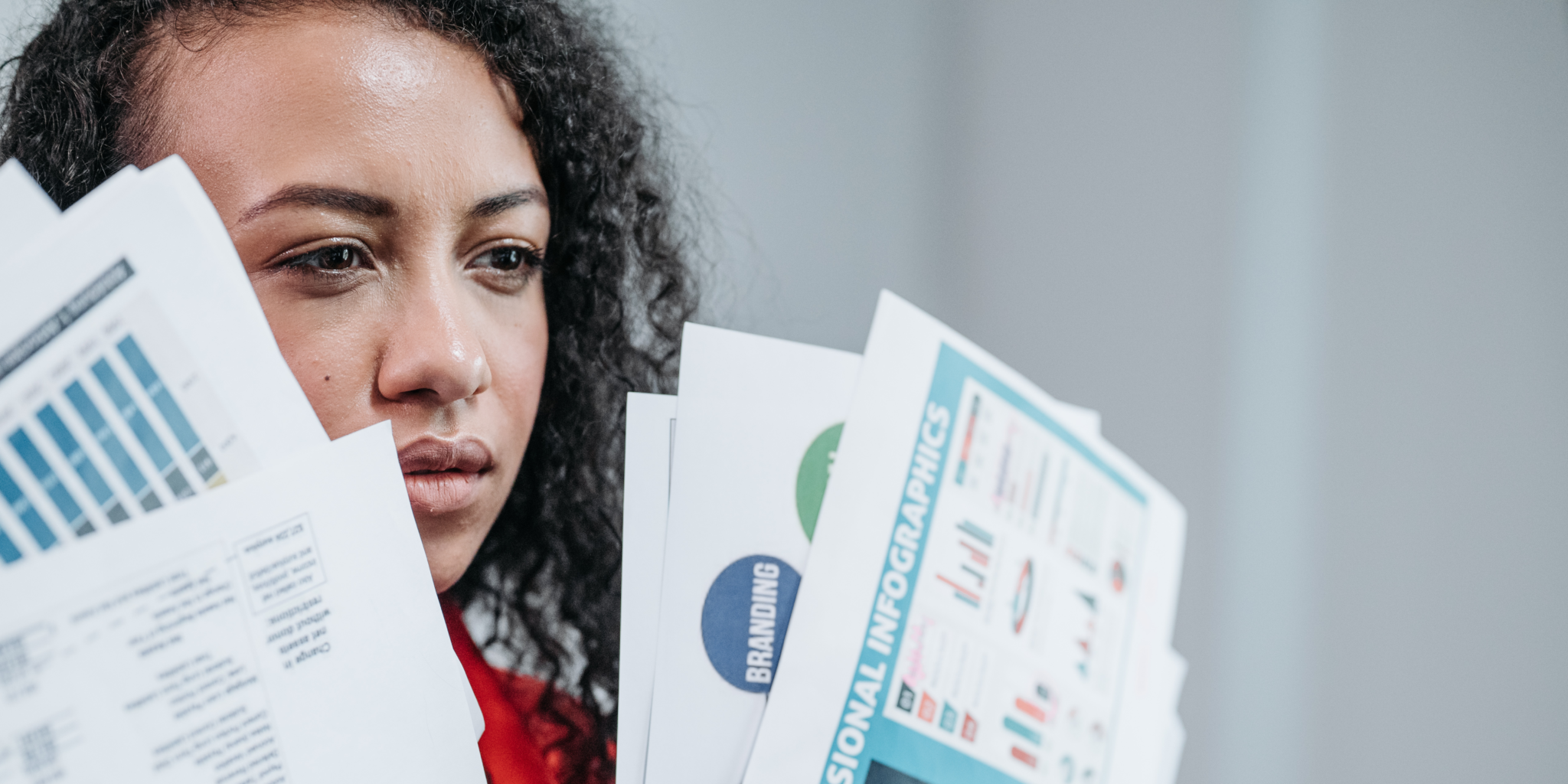
In 1999, the Information Processing Management Association (IPMA) predicted that we would be using paper less and less by now. Their estimates suggest that the amount of paper being used would drop by 30% each year. With a prediction that offices would gradually switch to digital communication and information storage – yet, as each year passes, we seem to use printers more often – does an age of digitalisation still lie ahead for us?
When people started predicting paper’s demise in offices, print volumes were still rising. Despite predictions that digitalisation would soon render physical printing obsolete, paper has not gone away. Every year, more and more documents are printed in offices worldwide. Why is this?
There are a variety of reasons why paper remains prevalent in offices today. From the psychological need for physical documents and the belief that certain forms of contracts need to be printed, there is still a strong demand for physical copies of documents in the workplace.
While many companies have adopted digital document management systems to try and reduce their reliance on paper, it is often still necessary to print documents to complete important tasks or keep records.
The human factor also plays a role in this; we are naturally inclined to think of physical documents as more secure and reliable than digital ones. We tend to value tangible items more highly, leading us to print copies even when they are already digitally available. It can also be challenging to convince people to change their habits and stop relying on printed documents, even when they are provided with digital alternatives.
Printed documents are still seen as more permanent than digital documents. It is perceived that a printed document can be kept on file for decades, whilst people worry that digital copies can easily become corrupt or be accidentally deleted.
These psychological needs, combined with our reliance on paper for specific official processes, mean that paper is likely to remain a part of office life for some time.
It is clear that the traditional office environment is no longer a purely paper-based affair. Over the past few years, many companies have moved towards digital workflows. By reducing the amount of paper used, these companies are able to improve efficiency, reduce costs and take advantage of newer technology.
In the case of document management, for example, companies can now share and store documents online in the cloud. Meaning that employees can access important files from any device, anytime and anywhere. Electronic signature technology has also advanced, making it easier for contracts and other legal documents to be handled without printing and scanning multiple copies.
Many companies are transitioning from paper and embracing digital alternatives when it comes to day-to-day operations. Many small businesses use digital task management systems to keep track of their tasks and assignments. At the same time, companies are also using digital calendars and messaging tools to stay connected with clients and colleagues without having to exchange physical paperwork.
Overall, it’s evident that companies are increasingly going digital and making strides towards a paperless office. While there may still be some challenges ahead, this trend looks set to continue as businesses discover the benefits of going digital.
As we’ve discussed, both human behaviour and the perception of digital documents play a big part in the continued use of paper in the workplace. So what if you are a business that wants to reduce its paper consumption?
One way is to use a managed print service, which gives you more control over the amount of printing you do and can also help reduce costs. You can also put in place a print quota system, which means that staff are only able to print a set number of pages per month or week.
A company’s print costs have been estimated to be up to 10% of its total turnover, not to mention the huge costs associated with securely storing important paper-based documents – so by limiting the amount that you allow employees to print and forcing some workflows into digitalisation you can make some real savings.
You should also consider joining a paper offset programme – we partner with PrintReleaf – they mitigate the environmental impact of paper use by planting trees based on your print volumes. Your organisation could be responsible for new forests being planted across the globe!
Taking these measures makes it possible to reduce paper consumption and ultimately help both the environment and your costs.
Despite all the advancements in digital technologies, many companies still rely heavily on paper for their day-to-day operations. Print volumes have been steadily increasing over the past few years, indicating that there is still a long way to go before we see widespread adoption of paperless solutions.
However, sustainability concerns and an increased focus on data privacy may be what finally causes a decrease in paper use in offices. As GDPR compliance and document security become more critical, companies may be encouraged to look into digital alternatives. It remains to be seen how quickly this transition can take place. At Parallel Office & Document Solutions, we help organisations to reduce their paper consumption through the use of Managed Print Services. As well as assisting with digitalisation – we offer a consultative approach to your document needs and will assess your situation and recommend solutions that are tailored to your requirements – to book your free audit, please message us today.